Dubai’s skyline moves fast—but compliance must move faster. As a DNFBP, a real estate brokerage or developer sits squarely in the crosshairs of global scrutiny. That’s why partnering with an anti money laundering consultant who speaks real-estate is no longer “nice to have,” it’s the difference between smooth closings and scary audits. The mission: bake controls into everyday workflows so genuine clients sail through while risk gets flagged early. Below is the field guide.
Red flags for property flips & complex SPVs
Property is catnip for obscuring illicit funds—especially with off-plan and quick resales. Watch for:
- Rapid flips: purchase → resale within weeks/months without visible value-add.
- Layered vehicles: trusts or multi-jurisdiction SPVs where ownership changes mid-transaction.
- Mismatch signals: low-declared income, high-value cash deals; buyer profile doesn’t align with asset class.
- Third-party payers: funds originating from unrelated corporate accounts or informal “friends.”
- Over/under-valuation: price far from comps, especially when paired with back-to-back transfers.
An experienced anti money laundering consultant will calibrate corridor- and project-specific risk thresholds, then map them to your deal stages (reservation, SPA, handover) so red flags trigger controlled friction—not deal destruction.
KYC for buyers, sellers, and beneficial owners
Real estate KYC isn’t just a passport photocopy. It’s risk-based verification for every party:
- Individuals: verified ID, residency status, occupation/employer, PEP/sanctions/adverse media screening.
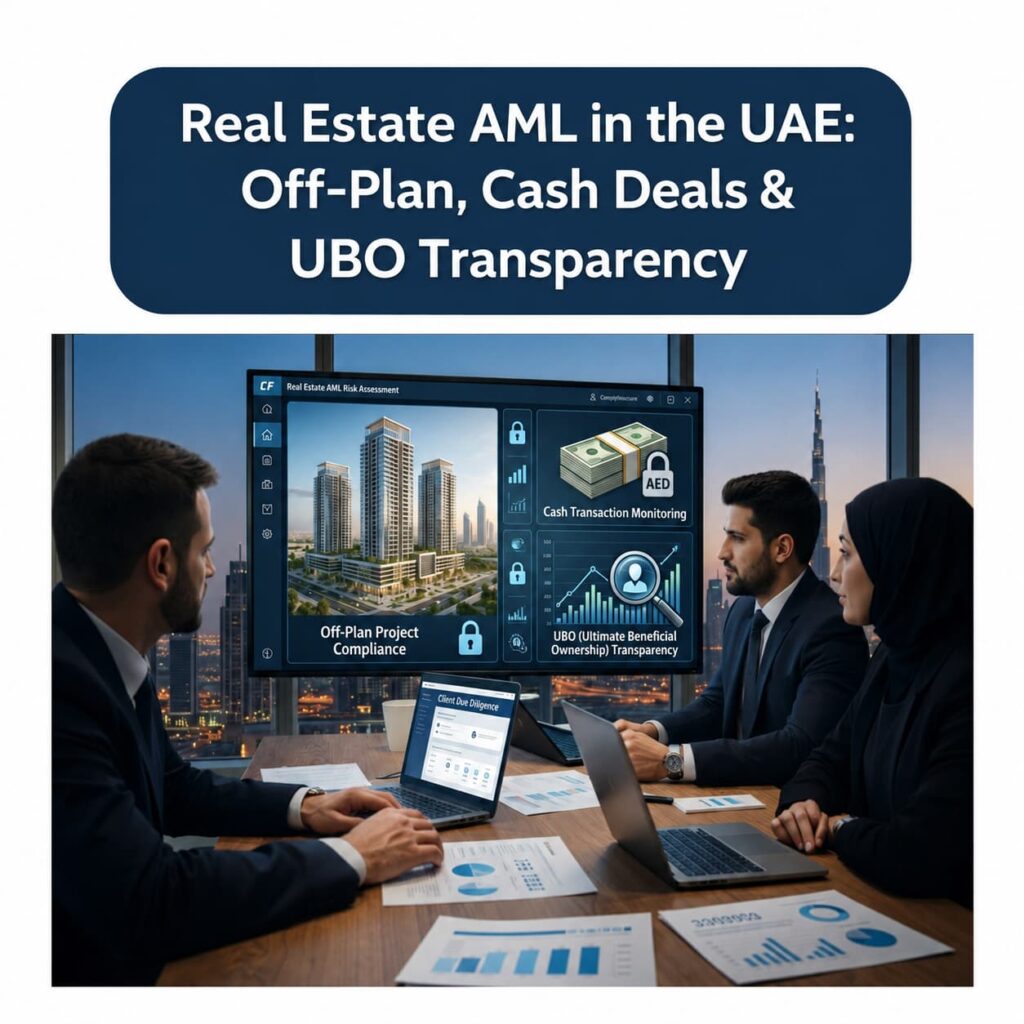
- Entities: registry extracts, director/UBO mapping down to natural persons (no “mystery owners”).
- Intermediaries: lawyers, company formation agents, and introducers screened and logged.
- Purpose & profile fit: primary home, investment, or corporate use; does stated wealth support the purchase?
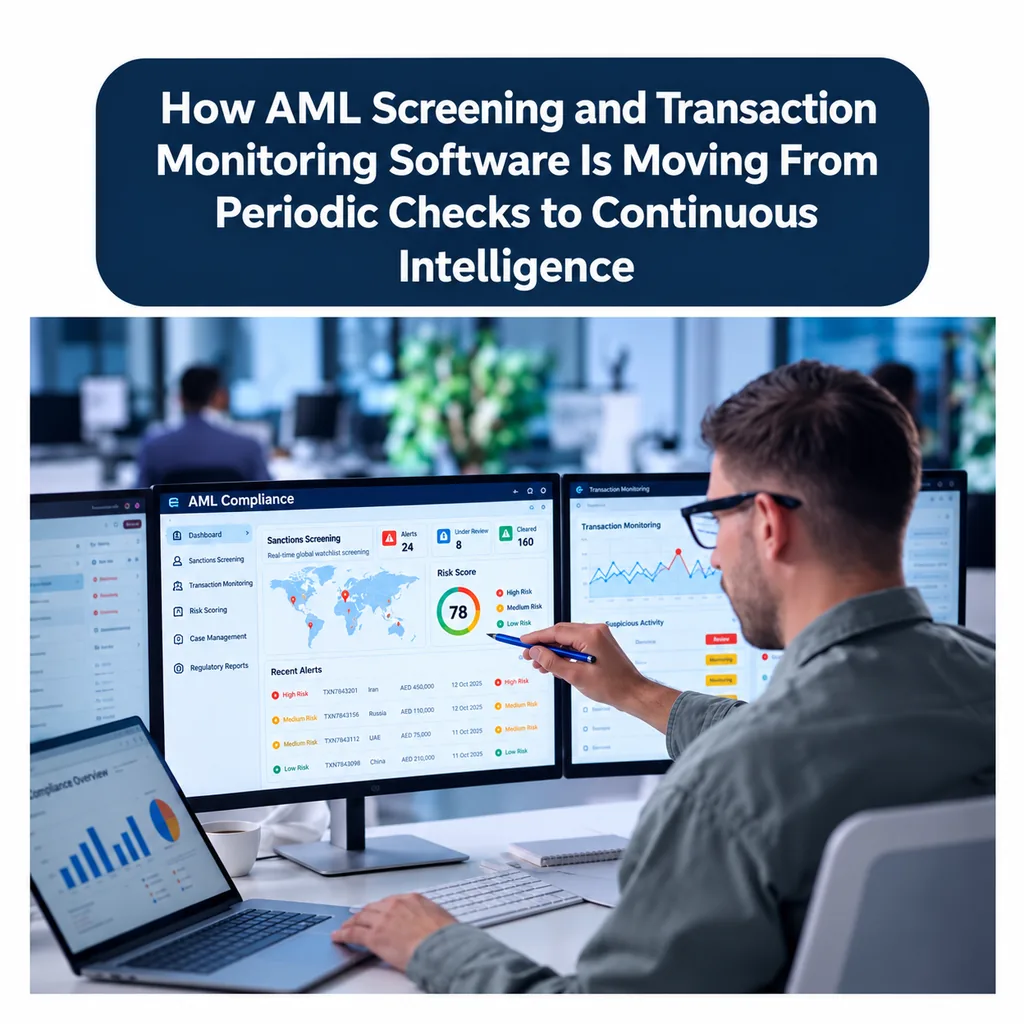
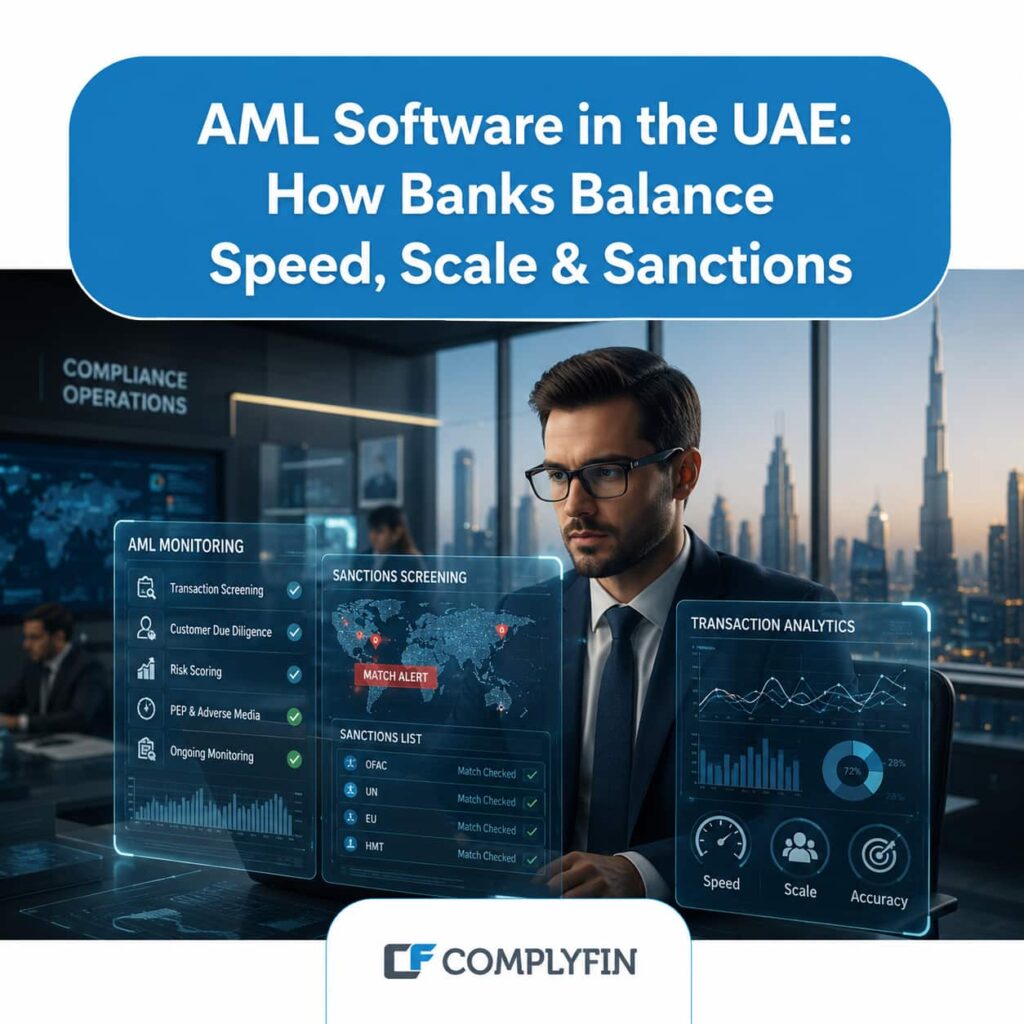
Modern aml screening and monitoring can run name checks in real time across sanctions/PEP/adverse media, with fuzzy matching tuned for Arabic/English transliteration. Pair that with clean data capture and you’ll avoid the dreaded “false-positive spiral.”
Source of funds documentation—what “good” looks like
SOF/SOW is where deals either glide or grind. Define “good” upfront:
- Salary/income: recent payslips, bank statements, tax certificates; employer letters for bonuses.
- Business proceeds: audited financials, dividend statements, share sale agreements, corporate bank trails.
- Asset liquidation: sale deed of previous property, portfolio statements, proof of redemption.
- Gifts/family funds: notarized gift deed + donor KYC and SOF.
- Off-plan schedules: map each installment to a funding source; pre-agree what proof will be required at each milestone.
Your anti money laundering consultant should translate these into client-facing checklists and broker scripts—so relationship managers ask confidently, not awkwardly. Bonus: use aml software uae with document checklists and expiry reminders to keep files audit-ready.
Automated risk scoring + periodic review schedules
Not every client needs EDD. Risk-based scoring keeps it fair and fast:
- Inputs: customer type (individual/entity), geography, PEP status, transaction value, payment method (cash vs banked), deal structure (SPV/nominee), and property type.
- Outputs: low/medium/high risk bands that dictate KYC depth, approver level, and review cadence.
- Periodic refresh: 12–36 months by risk, or on trigger (job change, atypical payment route, new UBO).
- Continuous monitoring: rescreen parties when major sanctions/PEP updates land; watch for late-stage payment anomalies near handover.
This is where aml screening software in uae shines—scoring engines, reminders, and audit trails that plug into your CRM and DMS. If you’re smaller, start with a light ruleset; as volume grows, graduate to behavior models without ripping out your stack.
FAQs
How to verify SOF/SOW without killing the deal?
Front-load clarity. Share a simple, risk-tiered checklist at reservation, accept e-docs, and use secure links for uploads. Run real-time screening so you only escalate when signals warrant it. For higher-risk profiles, ask for targeted docs (e.g., last 6 months bank statements + share sale contract) instead of “send everything.” Good process + clear expectations = minimal friction.
Do small brokerages really need AML tech?
Short answer: yes—just right-sized. Even a two-desk brokerage benefits from basic aml software uae: sanctions/PEP screening, checklists, and case notes. As deals scale, add workflow, risk scoring, and aml screening and monitoring for payments. Tech plus a pragmatic anti money laundering consultant gives you regulator-grade hygiene without enterprise bloat.