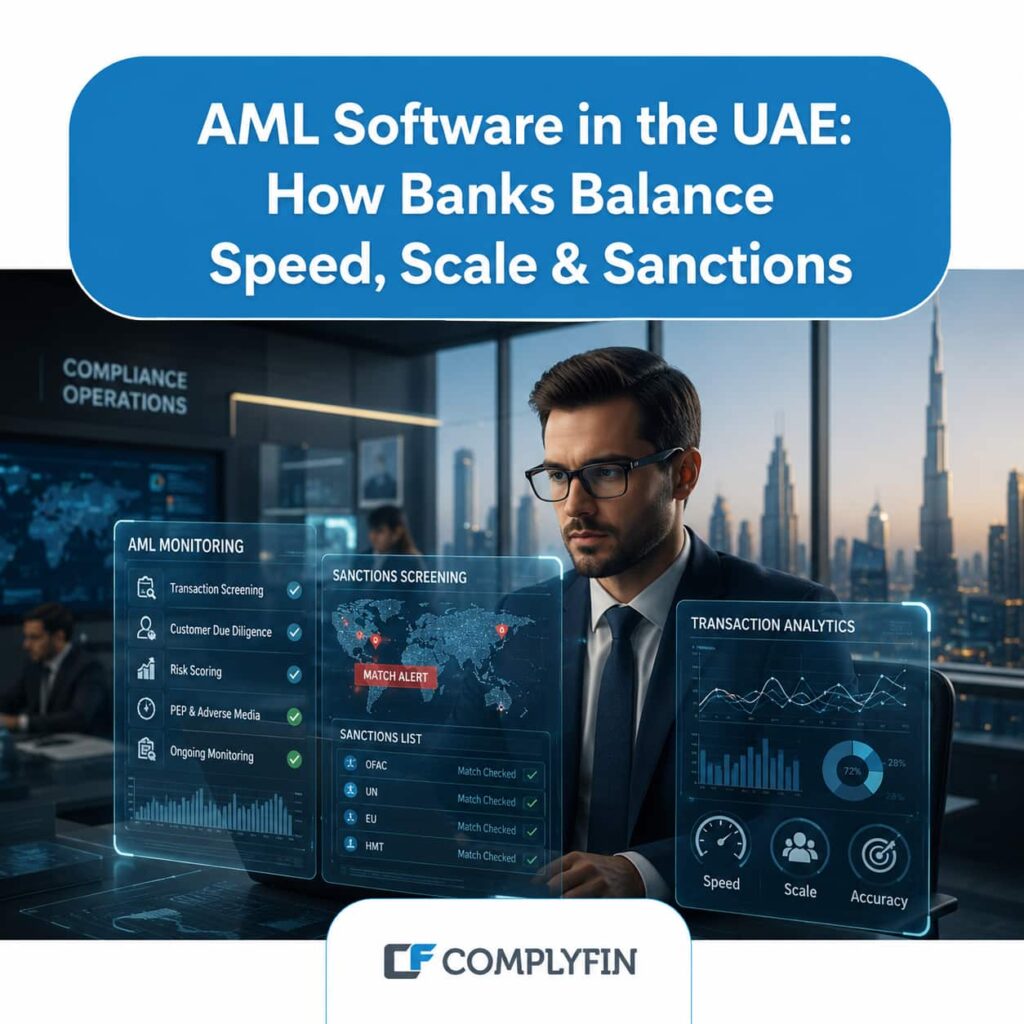
The FATF conducted its fifth-round Mutual Evaluation of the UAE, with the on-site assessment in mid-2026, judging how effectively the country’s AML system works in practice rather than whether laws merely exist. For UAE businesses, the result does not ease the pressure: enforcement, inspections and the expectation of demonstrable, working compliance continue well beyond the evaluation. The practical takeaway is that effective, evidenced AML compliance is now a permanent operating standard rather than a one-off exercise for the assessment.
What the Mutual Evaluation Was, and Why It Mattered
The FATF (Financial Action Task Force) periodically evaluates each member country’s anti-money-laundering and counter-terrorist-financing system, and the UAE’s fifth-round Mutual Evaluation, with its on-site assessment in mid-2026, was the most consequential event in the country’s compliance calendar. It mattered because the UAE worked hard to exit the FATF grey list and is determined to demonstrate a strong, effective system. The assessment examined not just the laws on the books but whether the whole system, regulators, institutions and businesses, actually prevents and detects financial crime in practice. That focus on real-world effectiveness is what made it reach down to every regulated business, because the country’s performance depends on whether individual firms genuinely comply, well beyond whether they have policies filed away.
Why the Pressure Does Not End With the Result
A common misconception is that once the evaluation is over, the scrutiny relaxes. The opposite is closer to the truth, for a few reasons:
- Enforcement is ongoing: Regulators continue inspecting and enforcing after the evaluation, and the heightened supervisory posture built up for it does not simply switch off.
- Follow-up continues: FATF evaluations involve follow-up processes and continued reporting, so the country, and its businesses, remain under watch well after the on-site visit.
- The standard is now embedded: The effectiveness-based expectations that the evaluation introduced have become the normal baseline for how compliance is judged.
- Consequences are long-lived: A compliance failure can surface and be acted on years later through cross-border cooperation or new evidence, so the record a business keeps now matters long into the future.
What This Means for Your Business
For any regulated business in the UAE, the message is that effective AML compliance is a permanent operating requirement rather than a project that ended with the evaluation. Regulators expect to see compliance that genuinely works and can be demonstrated: customer due diligence actually performed, risks assessed, transactions monitored, suspicious activity reported, and all of it documented. A business that treated the evaluation period as a one-off push and has since eased off is exposed, because inspections continue and the standard has not dropped. The sensible position is to treat strong, evidenced compliance as business as usual, maintained continuously rather than mobilised for an assessment and then relaxed.
Staying Ready in the Post-Evaluation Environment
The way to stay protected is to keep the compliance program at the standard the evaluation demanded, permanently. That means ongoing due diligence and monitoring, current records that evidence the work, regular internal checks that controls are functioning, and prompt attention to any gaps. An experienced AML consulting partner helps a business maintain this standard without the effort consuming the business itself, keeping the program effective, current and inspection-ready through the continued scrutiny that follows the evaluation. In the post-evaluation environment, the businesses that stay out of trouble are the ones that understood the result changed nothing about the need for real, continuous compliance.
Complyfin is a UAE AML/CFT and regulatory compliance consultancy helping regulated businesses maintain effective, evidenced compliance through continued FATF-driven scrutiny. To keep your compliance program inspection-ready, explore our services or get in touch with our team.
Frequently Asked Questions
What is the FATF Mutual Evaluation of the UAE?
It is the FATF’s periodic peer review of the UAE’s anti-money-laundering and counter-terrorist-financing system, with the fifth-round on-site assessment taking place in mid-2026. It examines whether the system works effectively in practice, going beyond whether laws exist, which is why it reaches down to every regulated business.
Does compliance pressure ease after the FATF evaluation?
No. Enforcement and inspections continue, FATF follow-up processes keep the country under watch, and the effectiveness-based standard introduced for the evaluation has become the normal baseline. A compliance failure can also surface years later, so the pressure to maintain effective, evidenced compliance does not end with the result.
What does the evaluation result mean for my business?
That effective AML compliance is a permanent operating requirement rather than a one-off exercise. Regulators expect compliance that genuinely works and can be demonstrated, due diligence performed, risks assessed, transactions monitored, suspicious activity reported, and all documented. A business that eased off after the evaluation period is exposed to continued inspection.
What happens if the UAE scores poorly in the evaluation?
Whatever the overall outcome, the practical effect for businesses is continued and often intensified scrutiny, since regulators act on the evaluation’s findings and maintain enforcement. The UAE is committed to demonstrating a strong system, so firms should expect sustained supervisory focus on effective compliance rather than any relaxation.
How do I keep my AML program ready after the evaluation?
Maintain the program at the standard the evaluation demanded: ongoing due diligence and monitoring, current records evidencing the work, regular internal checks that controls function, and prompt remediation of gaps. An experienced AML consulting partner helps keep the program effective, current and inspection-ready through continued scrutiny.