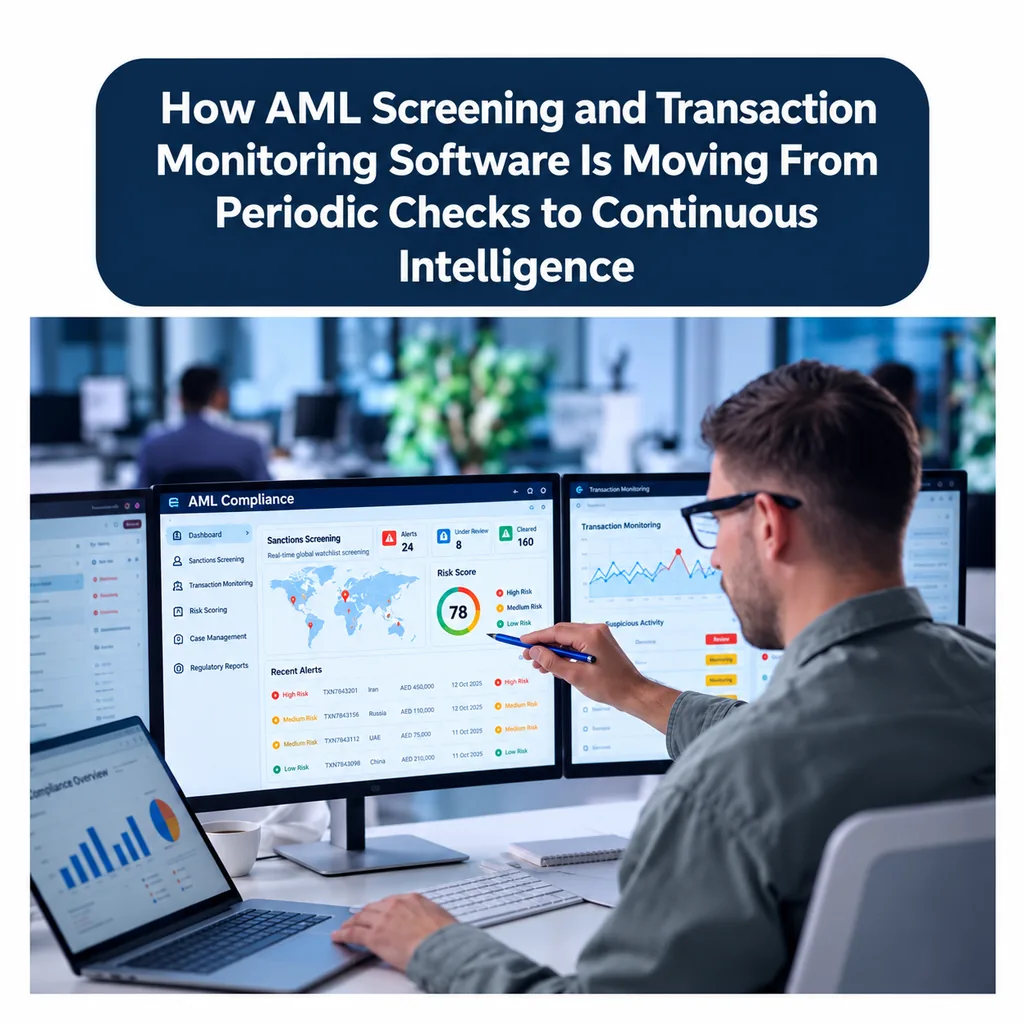
For years, many boards treated anti-money-laundering compliance as an operational matter to be handled somewhere below them, a back-office function that produced paperwork and occasionally a fine the company would absorb. Under the UAE’s updated AML regime, that mindset is now a serious risk. The 2025 framework strengthened individual accountability, meaning directors, senior management, and compliance officers can face personal exposure for compliance failures, not just the company. This shifts AML from an operational task to a board-level responsibility, and it changes how seriously leadership must engage with it.
From Corporate Fines to Personal Exposure
The traditional enforcement model targeted the company: a firm with weak controls was fined, and the penalty sat on the corporate balance sheet. The updated framework goes further by attaching accountability to individuals. Senior managers and compliance officers who fail to discharge their responsibilities can face personal consequences. This is a deliberate regulatory design, because personal exposure changes behaviour in a way that corporate fines alone do not. When individuals are accountable, oversight tends to become genuine rather than nominal.
What This Means for Boards and Senior Management
Personal liability means leadership can no longer delegate AML and forget it. Boards and senior management are expected to understand their exposure and ensure adequate oversight mechanisms are in place. In practice, this means:
- Understanding the firm’s AML obligations and risk profile well enough to oversee them, rather than leaving it entirely to a compliance officer.
- Ensuring the compliance function is properly resourced and empowered, not a title assigned to someone without the tools or authority to do the job.
- Receiving and engaging with regular, meaningful reporting on the firm’s AML risks and controls.
- Documenting oversight, so there is evidence that the board took its responsibilities seriously.
The MLRO Role Cannot Be Nominal
A particular risk sits with the Money Laundering Reporting Officer. Appointing an MLRO on paper while leaving the role under-resourced or dormant is a common failing, and under a regime with personal accountability it is a dangerous one. The MLRO must actually be able to perform the role: monitoring, reporting suspicious activity, and maintaining the programme, with the authority and resources to do so. A nominal appointment exposes both the individual named and the senior management who allowed the role to remain ineffective.
Turning Accountability Into Good Governance
The constructive way to view personal liability is as a prompt to build genuine compliance governance. When leadership treats AML as a board-level risk, with proper oversight, an empowered compliance function, and documented engagement, the firm is both better protected against financial crime and better positioned if a regulator inspects. The firms that adapt well are those that use the shift to personal accountability as a reason to strengthen governance, rather than waiting for an enforcement action to force the point. Professional advice can help boards understand their exposure and put the right oversight in place.
ComplyFin helps boards and senior management in the UAE understand their personal exposure under the AML regime and build the oversight and governance that protects both the firm and its leadership. If your board needs to strengthen its compliance oversight, our AML compliance services can help. Get in touch with our team.
Frequently Asked Questions
Can directors be personally liable for AML failures in the UAE?
Under the updated AML framework, individual accountability was strengthened, so directors, senior management, and compliance officers can face personal exposure for compliance failures, not only the company. This makes AML a board-level responsibility rather than a purely operational one. Specific provisions should be confirmed against current legislation.
What does personal liability mean for a board?
It means leadership can no longer delegate AML and disengage. Boards are expected to understand the firm’s obligations and risk profile, ensure the compliance function is resourced and empowered, engage with meaningful reporting, and document their oversight, so there is evidence the board took its responsibilities seriously.
What are the risks of a nominal MLRO appointment?
Appointing an MLRO on paper while leaving the role under-resourced or dormant exposes both the named individual and the senior management who allowed it. Under a regime with personal accountability, the MLRO must actually be able to monitor, report, and maintain the programme with proper authority and resources.
How can a board reduce its AML liability exposure?
By building genuine compliance governance: understanding the firm’s AML risks, ensuring an empowered and resourced compliance function, engaging with regular reporting, and documenting oversight. Treating AML as a board-level risk both protects against financial crime and positions the firm well if a regulator inspects.
Is AML now a board-level issue rather than an operational one?
Yes. With individual accountability attaching to senior management and compliance officers, AML has moved from a back-office operational task to a board-level responsibility. Leadership is expected to actively oversee the firm’s compliance rather than delegate it entirely and disengage.